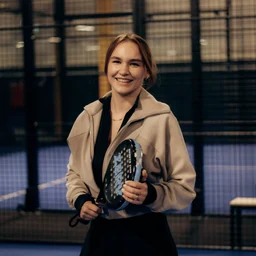
Getting your child into padel is exciting. Getting the right shoes sorted before they step onto a court — that's the part a lot of parents overlook until their kid skids on a glass wall approach and loses confidence in the sport entirely.
Padel courts are deceptive. The artificial grass looks soft, but lateral cuts, quick stops, and lunging for shots require real grip and ankle stability. A regular trainer handles none of this well. A padel-specific shoe handles all of it.
This guide covers everything: why it matters, what to look for, how to size correctly, and the best options from the brands that actually make children's padel shoes (which is fewer than you'd hope, but the good news is the options that do exist are excellent).
Why Padel-Specific Shoes Actually Matter
Let's be direct: for a child playing padel once a fortnight at a birthday party, any trainers will do. But for a child playing regularly — say, once or twice a week, or taking lessons — padel shoes are a genuine safety and performance upgrade.
Here's what's different about padel-specific shoes:
- Grip pattern: Herringbone soles are designed for multidirectional movement on artificial grass and hard courts. Regular trainers have forward-motion grip, not lateral grip.
- Ankle support: Padel involves a lot of quick direction changes. Court shoes have reinforced sides and tighter ankle collars to reduce roll risk.
- Cushioning placement: Padel shoes cushion the forefoot and heel for court-specific impact patterns — very different from a running shoe.
- Durability: The toe box and side reinforcement on padel shoes are built for dragging steps and court abrasion. Regular trainers wear through much faster.
Understanding Court Surfaces
Before you buy, find out what surface your child's club uses. It matters for sole selection.
- Artificial grass (most common): Short, dense artificial turf, often with sand infill. Herringbone soles work best — they grip the fibres without catching. This is the dominant surface across European padel clubs.
- Hard court / concrete: Less common but found in some indoor facilities. Requires more cushioning and a slightly finer tread pattern. Look for all-court shoes if you're unsure.
- Carpet/indoor: Some clubs use indoor court carpet. All-court shoes work here; avoid heavy herringbone which can grip too aggressively on carpet and cause knee strain.
When in doubt, ask the club. Most will tell you straight away what surface they use, and they'll probably have advice on footwear if you ask.
Sizing Kids' Padel Shoes Correctly
This is the most common mistake parents make. The instinct is to size up for growing room. Don't. Not for court shoes.
Too much space in a court shoe means the foot slides during lateral movements — which is exactly what causes blisters, reduces grip effectiveness, and increases ankle twist risk. The right fit for padel is snug, with about half a centimetre at the toe.
How to measure
- Measure their foot in the afternoon or evening — feet swell slightly through the day, and you want to size for the larger measurement.
- Measure both feet and use the larger one (most people have one foot slightly bigger).
- Add 5–8mm to the measured length for the right court shoe fit.
- Check the manufacturer's specific sizing chart — children's sizing varies significantly between brands.
Children at peak growth phases (roughly 6–8 and 11–13) may go through a shoe size every few months. Budget accordingly — trying to make shoes last a year on a rapidly growing child is a false economy.
What to Look For in Kids' Padel Shoes
Not every adult padel shoe feature translates to kids' needs. Here's what matters for younger players:
- Lightweight construction: Heavy shoes fatigue younger players faster. Look for shoes under 300g where possible.
- Easy fastening: Velcro or BOA-style lacing for younger children (under 7); traditional laces are fine for older kids who can tie them reliably.
- Wide toe box: Children's feet are proportionally wider than adults. Look for shoes with a rounded or wide toe box to avoid compression.
- Breathability: Mesh uppers keep feet cooler during active play — important for kids who run hot.
- Non-marking soles: Most padel clubs require non-marking soles. All proper padel shoes have these, but worth checking if buying a generic court shoe.
Top Picks by Age Group
Ages 4–7: Young Beginners
Lightweight, easy to fasten, soft enough for growing feet.
HEAD Sprint Velcro (Junior)
HEAD's junior entry model with a Velcro fastening makes it genuinely easy for young children to put on and take off without help — which matters at club changing rooms. Lightweight, good herringbone grip, and a wide enough toe box for young feet. Available in bright colorways that kids actually want to wear. One of the more affordable genuine padel shoes for this age group. Check HEAD junior shoes at PDHSports →
Bullpadel Hack Junior
Bullpadel's junior line is well-regarded among padel families. The Hack Junior has good forefoot cushioning, a proper herringbone sole, and a supportive collar without being restrictive. Slightly more structured than the HEAD option, which suits kids who are already playing seriously rather than just starting out. Check Bullpadel junior shoes →
Ages 8–12: Junior Players
More performance features as the game gets more serious.
Asics Gel-Padel Junior
Asics brings their Gel cushioning technology into the junior padel line, and it shows. The forefoot Gel unit absorbs impact well during the repetitive stop-start movements of padel, and the herringbone outsole grips artificial grass cleanly. For junior players training more than once a week, this level of cushioning matters for knee and joint health long-term. One of the best-performing junior padel shoes available. View Asics Gel-Padel at PDHSports →
NOX ML10 Junior
NOX — a major padel brand especially in Spain — makes strong junior shoes that go up to adult-junior sizes. The ML10 Junior is the brand's best-known kids' model: good lateral support, herringbone grip, and a clean look that doesn't embarrass older kids on court. If your child is playing at club level or taking regular coaching, this is a solid choice. Browse NOX padel shoes →
Babolat Jet Premura Junior
Babolat's junior padel shoe is cut slightly narrower than the Asics or HEAD options — better for children with narrower feet. Good breathability, a proper padel sole, and the Babolat quality standard that carries across their junior equipment range. Works well for kids already using a Babolat racket who want the matching kit. Browse Babolat padel shoes →
Brand Rundown: Who Makes Junior Padel Shoes?
| Brand | Junior Range? | Youngest Size | Price Range |
|---|---|---|---|
| HEAD | Yes | EU 28 (approx. age 4–5) | £35–£60 |
| Asics | Yes | EU 30 (approx. age 6) | £55–£80 |
| NOX | Yes | EU 31 (approx. age 7) | £50–£70 |
| Bullpadel | Yes | EU 28 (approx. age 4–5) | £40–£65 |
| Babolat | Yes | EU 30 (approx. age 6) | £50–£75 |
| Wilson | Limited | EU 33 (approx. age 8) | £45–£70 |
When to Replace
Padel shoes for kids typically last 6–12 months for a regularly playing child, depending on growth rate and court time. Signs it's time for new ones:
- The herringbone pattern is worn smooth (loss of grip)
- The toe box is compressed or cracked
- They complain of soreness in feet or ankles after play
- You can see daylight through the upper
- They've outgrown the size by more than half a centimetre
Don't push shoes beyond their useful life on a court. The grip and support are what matter, and worn-out soles are a genuine safety issue on glass courts.
For the full picture of getting your child into padel — from equipment to coaching to age appropriateness — check out our guide on what age kids can start playing padel and how to choose a junior padel racket.
Getting Your Child the Full Padel Kit?
Don't forget the racket. Our junior racket sizing guide covers every age from 3 to 12 with exact size and weight recommendations.
See the Junior Racket Guide →Frequently Asked Questions
Can kids wear regular trainers for padel?
For the occasional try-out, yes. For regular play, no — padel shoes provide herringbone grip, lateral ankle support, and court-specific cushioning that regular trainers don't offer. Once your child plays at least once a week, padel-specific shoes are worth the investment both for performance and safety.
What size padel shoes should I buy for my child?
Fit snugly with about half a centimetre at the toe. Resist the urge to size up for growing room — loose court shoes reduce grip and increase ankle injury risk. Measure both feet, use the larger measurement, and buy the size that gives the right snug fit. Check the manufacturer's sizing chart as junior sizing varies between brands.
Do kids need different padel shoes for grass courts vs hard courts?
Yes — artificial grass (most common) needs herringbone soles; hard courts need more cushioning and a finer tread. Check with your club what surface they use before buying. Most junior padel shoes are designed for artificial grass, which is the dominant surface. When in doubt, choose an all-court model.
Last updated: June 2026. Prices are approximate and may vary by retailer and region.