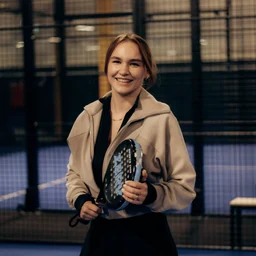
Padel is booming, and padel-loving parents naturally want to share it with their kids. But there's a big difference between a toddler waving a mini racket around and a 7-year-old actually rallying on a junior court. This guide covers both ends of that spectrum honestly.
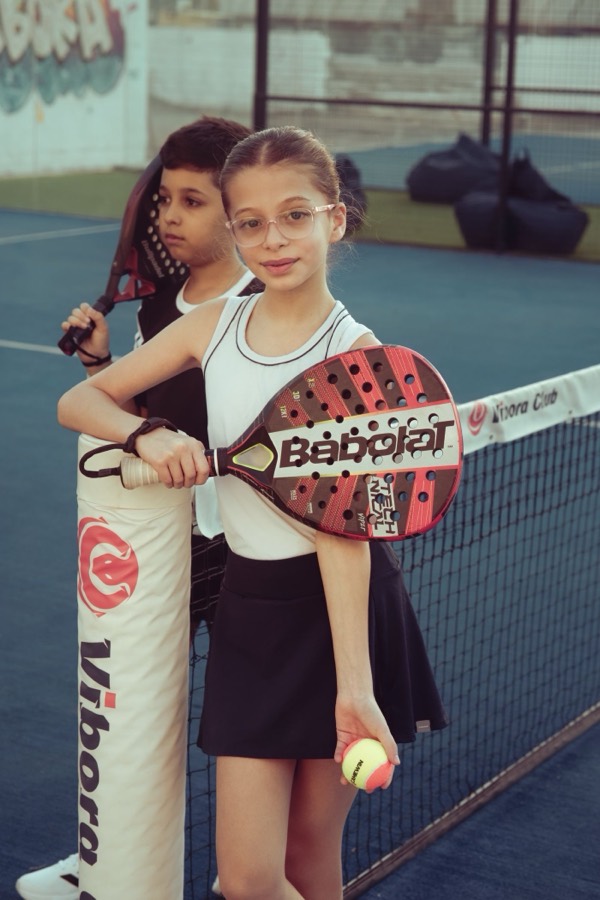
The sport is genuinely one of the most kid-friendly racket sports out there. The enclosed court keeps the ball in play longer, the walls add a forgiving bounce that makes rallies possible at a young age, and the social side of doubles is more engaging for children than solo baseline rallying. But age matters, and so does how you introduce it.
The Short Answer
Here is the honest, no-fluff version before getting into the detail:
Mini Rackets and Play Time
At this age, a child holding something that looks like a padel racket and bashing a soft ball around is already a win. This is not real padel play. It is movement, motor development, and fun. A mini padel replica or a very small toy racket is the right tool here — not because it teaches padel, but because it gets them excited about the sport and comfortable with the idea of a racket in their hand.
The court, the rules, the rallying — none of that applies yet. Think of it as planting a seed.
Foam Balls and First Swings
This is where it starts to become real play. A 4 to 5 year old with a lightweight junior racket and a foam ball can start learning the very basics of hitting. Not technique, not footwork, just contact. Foam balls are critical here. They move slowly, bounce low, and give a child time to actually get the racket to the ball. Standard padel balls at this age are too fast and create nothing but frustration.
Short sessions of 15 to 20 minutes, no pressure, no score, no rules. Just hitting. A positive early experience builds the enthusiasm that keeps them coming back.
Real Padel, Proper Junior Rackets
By age 6, most children have the coordination to rally consistently, understand simple rules, and follow basic coaching instructions. This is the age where structured padel genuinely starts. A proper junior racket replaces the toy approach, low-compression balls transition toward standard balls, and the child can start to enjoy the game for what it actually is.
Some children with older siblings or parents who play regularly will be ready a few months earlier. Others, especially less sporty children, might be more comfortable starting at 7. Follow the child, not the number.
Physical Development by Age
Understanding what is physically happening at each age helps calibrate expectations. Padel asks for hand-eye coordination, bilateral coordination (both sides of the body working together), short bursts of movement, and the ability to track a moving object. Children develop these at different rates, but here are the rough milestones:
Ages 3 to 4: Gross Motor, Not Fine Motor
At this age, children are still mastering large movements, balance, and bilateral coordination. They can run, kick, throw, and catch with improving accuracy. Racket sports require fine motor control that is still developing here. They can swing something at something else, but expecting a consistent rally or deliberate technique is unrealistic. The goal is exposure and enjoyment, full stop.
Ages 5 to 6: Hand-Eye Coordination Jumps
This is a meaningful developmental leap. Children start being able to track a moving ball and time a swing to intercept it. They can follow a two-step instruction. They are beginning to understand cause and effect in sport ("if I swing too early, I miss"). This is why 5 to 6 is the natural starting age for structured ball sports. The brain and body are ready for the loop of try, observe, adjust.
Ages 7 to 9: Technique Becomes Teachable
By 7, children can genuinely absorb technique. They can understand a grip explanation, practice a footwork pattern, and start to notice when something feels different. Coaching clicks here in a way it does not for younger ages. Rally consistency improves fast, and the social element of playing with peers becomes a powerful motivator.
Ages 10 to 12: Sport-Specific Training
At this age, children can train in a meaningful sports sense. Tactical awareness, physical conditioning appropriate for their age, and competitive play all become viable. A child who started at 6 and is now 10 will have a solid foundation that becomes increasingly visible in their game compared to friends starting at the same age.
Equipment Needed Per Age Group
Getting the equipment right is as important as starting at the right age. Wrong-sized rackets and wrong balls are the single biggest reason early sessions go badly.
Mini Racket or Toy Racket
No pressure equipment is needed. A mini padel replica is perfect as a gift or introduction piece. If you want them to bat a ball around, a small toy paddle-style racket works fine. The goal is familiarity with holding a racket, not playing padel.
- Mini padel replica (15-25cm) for display and pretend play — see the HEAD Monster Kids racket as a first proper play option for toddlers
- Soft foam ball or beach ball for batting around
- No court needed, no rules, no expectations
Junior Racket + Foam Balls
This is where real equipment matters. A junior racket in the right size makes an enormous difference to how easy the game feels. For this age group, look for a round shape with a large sweet spot and the lightest weight you can find. Anything over 280g will fatigue a 5 year old quickly.
- Lightest junior padel racket you can find — 280–300g, ~43cm, round shape (e.g. Bullpadel Indiga Boy 26, 280g)
- Foam or low-compression balls (Stage 3 foam balls work perfectly — the HEAD One padel ball is ideal)
- Indoor court or open area with enough space to swing
- Closed-toe shoes with grip (no flip flops)
Full size padel balls are too fast and too bouncy. Do not skip the foam stage. See the full breakdown in our junior racket size guide.
Proper Junior Racket + Low-Compression Balls
From 6 onwards, a proper junior racket becomes a meaningful investment. Children this age can feel the difference between a good racket and a toy, and the right equipment rewards their developing technique. Move from foam to Stage 2 or Stage 1 low-compression balls before switching to standard padel balls.
- Junior padel racket, 280–345g depending on age — kids' models ~43cm, older juniors full-length 45.5cm (see full size table in the junior racket guide)
- Low-compression padel balls (Stage 2 for ages 6-8, Stage 1 from age 8+)
- Padel-specific shoes or court shoes with good lateral support
- Comfortable, non-restrictive sportswear
How to Make It Fun (Not Drills)
The number one way to kill a child's interest in any sport is to make the first sessions feel like school. Padel coaching for young children should feel like play with a racket, not a training session with a coach.
Games Over Repetition
Young children learn motor skills through play, not repetition of technique. Instead of "stand here and hit 20 balls," try games that naturally develop the same skill. Counting how many times in a row you can keep the ball going together. Seeing who can hit the wall the most times without a break. Aiming at a target on the floor. These feel like games. They produce exactly the same motor learning as drills, with ten times the engagement.
Short Sessions
20 to 30 minutes is plenty for under-6s. 45 minutes is fine for 6 to 8 year olds. Ending a session while the child still wants to continue is far more valuable than squeezing every minute out of court time. Leave them wanting more, and they will ask to come back.
Celebrate Contact, Not Results
At the beginning, hitting the ball at all is the win. Not hitting it over the net perfectly. Not keeping a rally going. Just making contact. Celebrate contact loudly and often. Children who feel capable and celebrated come back. Children who only experience correction and failure do not.
Play With Them
A parent on the other side of the court is more motivating for most young children than any coach. You do not need to know padel technique to feed balls gently from a hand or hit softly back and forth. Your presence and enthusiasm matter more than your technique at this stage. Get on the court. And when you're ready to take things up a notch, our padel birthday party guide has everything you need to turn a court session into a full celebration.
Follow Their Pace
Some days a child wants to hit balls for 40 minutes. Other days they want to stop after 10. Neither is a problem. Forcing a session when a child is done creates a negative association with the sport. Follow their energy and trust that consistent positive experiences accumulate over time.
Finding Junior Padel Programs
Padel's global growth means junior programs are springing up everywhere. Most padel clubs with more than two courts now offer some form of junior coaching. Deciding between sports? Read our padel vs tennis comparison for kids to see how the two stack up before committing. Here is how to find and evaluate junior padel programs:
What to Look For in a Junior Program
- Age-appropriate groupings - A 5 year old and a 10 year old should not be in the same class. Good programs split by age and ability.
- Small groups - More than 6 children per coach for young juniors means not enough individual attention and too much waiting around.
- Play-based methodology - Ask the coach how they structure sessions for young children. "Games-based" or "play-based" coaching is what you want. "Technical drills" at age 5 is a red flag.
- Enthusiasm in the coach - Young children respond to energy and warmth. A coach who clearly loves working with kids makes a bigger difference than technical qualifications at this age.
Starting Without a Club
No padel club nearby? You do not need one to start. A wall, a junior racket, and foam balls are enough to begin. Simply rallying against a wall teaches tracking, timing, and contact without requiring a full court. Many of padel's early skills transfer directly from this basic practice. Once a child has the basics, finding court time becomes more meaningful.
School and Holiday Programmes
As padel grows, more schools and leisure centres are incorporating it into PE and holiday activity programmes. These are often the lowest-pressure, cheapest entry point for a child to try the sport without any commitment. Worth checking locally.
Common Mistakes Parents Make
Starting with a full padel ball
Standard padel balls are too fast and bouncy for children under 6 to rally with consistently. Every missed shot at this age is a small disappointment. Foam balls give children early success, which builds enthusiasm and keeps them engaged. Start with foam, transition slowly.
Buying an adult racket "to grow into"
A racket that is too long and too heavy forces a child to compensate with bad technique from day one. Wrong grip size, wrong swing path, early fatigue. An age-appropriate junior racket costs the same as a bad adult racket and does infinitely more good. Buy for now.
Coaching while playing
There is a version of padel with your child where you play together and have fun, and a version where you correct their grip every swing. Children pick up on the shift in tone immediately. If you want to play together, just play. Leave the coaching to the coach.
Comparing to other children
At junior padel sessions, children develop at wildly different rates. A 7 year old who started at 4 will look completely different from a 7 year old who started three months ago. Comparison does nothing useful. Focus entirely on your own child's progress relative to where they were last month.
Expecting too much too soon
A 5 year old who can hit the ball over the net reliably has genuinely achieved something. That is not the baseline for a bad session, it is the highlight. Calibrating expectations to the child's actual stage of development makes the whole experience more positive for everyone involved.
Making it about winning
Competitive play has its place, but not at 5 or 6. At this age, the point of padel is to move, connect, have fun with a parent or friend, and experience what hitting a ball with a racket feels like. Introducing a win-lose framing too early creates anxiety and takes the joy out of early play. Save the scoreboard for when they ask for it.
Frequently Asked Questions
What age can kids start playing padel?
Children as young as 4 can start hitting a foam ball around with a small junior racket, but structured padel play with proper rules typically starts around age 6. By 6, most kids have the coordination to rally, understand simple rules, and keep score. Some children with older siblings or regular court exposure are ready a little earlier.
Do kids need special equipment to start playing padel?
Yes. Children under 6 are best started with a foam or low-compression ball rather than a full padel ball, and the lightest junior racket available — around 280–300g (e.g. the 280g Bullpadel Indiga Boy 26). Full padel balls are too fast and bouncy for young children to rally with consistently. Foam balls make early sessions fun instead of frustrating.
Is padel safe for young children?
Padel is generally very safe for children. The enclosed glass court means balls stay in play and children stay on court. The main considerations are racket weight (always use an age-appropriate junior racket to protect developing joints) and keeping early sessions fun rather than technically demanding. Most junior padel programmes start from age 5-6.
Ready to Get the Right Gear?
Whether you need a mini racket gift for a baby padel fan or a proper junior racket to start playing, we have the guides covered.
Last updated: June 2026. Age recommendations are general guidelines based on typical child development. Always follow your child's lead and consult a certified padel coach for individual advice.