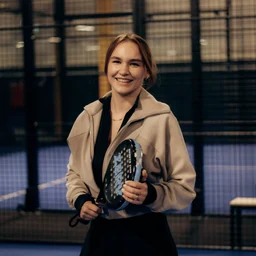
Junior padel rackets take more punishment than adult ones. Kids swing harder relative to their racket size, they're more likely to scrape the frame on a back wall during an enthusiastic scoop shot, and they have a concerning tendency to leave equipment anywhere — including the car on a hot summer day, which is about the worst possible environment for a foam-core racket.
A decent junior padel racket costs anywhere from £40 to £120. With proper care it can last two years or more. Without it, the same racket can lose its performance characteristics within a few months. This guide covers everything you need to do — and everything you need to stop your child from doing — to get the most out of a junior padel racket.
Why Racket Care Matters More for Juniors
Adult padel rackets are engineered to take sustained use from players hitting with significant force and technique. Junior rackets are built to lighter specifications — smaller, lighter frames, softer cores to account for the lighter hitting weight of a child's arm — and they're proportionally more sensitive to misuse.
The two main ways a junior padel racket degrades are structural damage (cracks, chips, and frame deformation) and core degradation (the foam or EVA core losing its spring, which kills the hitting response of the face). The first is caused by impact — most commonly the frame hitting the glass wall or the floor. The second is caused by moisture, heat, and age.
Both types of damage are substantially reduced by good habits. The habits aren't difficult — they just need to be established early and repeated consistently. That's the challenge with kids: getting them to actually do the right thing with their gear, every time, without being reminded.
The good news is that most of the best-care habits are simple enough to turn into a quick routine. Racket in cover after play. Don't leave it in the car. Wipe it down before putting it away. These three things alone will double a racket's useful life.
Storage: Where and How
Storage is where most junior racket damage happens, and it's almost entirely preventable.
The right storage environment
A padel racket should be stored at room temperature, out of direct sunlight, and in a dry location. This sounds obvious but it's violated constantly in practice:
- Cars in summer: The interior of a parked car can reach 60°C on a hot day. That's enough to soften and deform the EVA core in a padel racket, causing permanent dead spots in the hitting surface. If your child's racket goes in the car, take it out when you get home. Every time.
- Garden sheds and garages: These are typically too humid in winter and too hot in summer. Fine for storing a racket briefly, not fine as a permanent home.
- Radiators: Don't rest a wet racket on or near a radiator to dry. The localised heat damages the glue bonds in the frame and can warp the edge of the face.
- Damp sports bags: Leaving a racket inside a damp, sealed sports bag after play is a reliable way to introduce moisture into the frame edge over time. Always air out the bag after use.
Using a cover or sleeve
A basic neoprene padel racket sleeve is worth every penny for a junior's racket. It protects against:
- Knocks and bumps in transit (the frame edge is the most vulnerable point)
- The racket getting buried under shoes, water bottles, and other bag contents
- Casual dropping on hard floors between sessions
- Scratches to the face surface that weaken the hitting texture over time
Most junior rackets either come with a basic sleeve or you can buy one for £5–£10. Bullpadel, HEAD, and NOX all make dedicated padel racket sleeves that fit their junior range. Alternatively, a padel bag with a dedicated racket compartment provides the same protection in a more practical format — the racket stays separated from everything else and goes straight into the right place after play.
The Simple Storage Rule
Room temperature. In a cover or bag. Not in the car. That's 90% of storage done correctly.
Cleaning the Racket Face and Grip
Padel courts — especially artificial grass — transfer a lot of sand, grit, and rubber granules onto racket faces over time. This debris builds up in the textured holes of the hitting surface and, over time, can affect ball contact. More immediately, a dirty grip becomes slippery, which affects control and can cause a child to grip too hard trying to compensate.
Cleaning the face
After each session (or at least after each week of play), wipe the face of the racket with a slightly damp microfibre cloth. Use minimal water — the cloth should be barely moist, not wet. Wipe the holes out gently; a soft-bristled toothbrush is good for clearing caked-in grit from the textured holes without scratching the surface.
Let the racket air dry naturally after cleaning. Never put it in a bag while damp. Avoid any cleaning products containing alcohol, bleach, or abrasive compounds — these strip the surface texture that creates the ball spin and control characteristics the racket is designed for.
Things to avoid on the face
✓ Do this
- Barely damp microfibre cloth
- Soft toothbrush for holes
- Air dry naturally
- Wipe after every session
- Plain water only
✗ Don't do this
- Soak with water or run under tap
- Use alcohol wipes or sprays
- Dry with a hot hairdryer
- Scrub with abrasive sponge
- Use kitchen cleaning spray
Cleaning the grip area
The factory grip (the original grip tape on the handle) can be wiped with a damp cloth to remove sweat and dirt. However, for a child who plays regularly, the factory grip will degrade in quality fairly quickly — it's designed for moderate use, not the constant sweaty grip of an active junior player. This is where overgrips come in (covered in the grip section below).
Protecting the Frame
The frame is the most vulnerable part of a padel racket for junior players. The most common damage points are:
- The top edge: Where the racket scrapes the glass wall during a back-wall scoop shot. Even perfectly executed scoops involve the frame edge grazing the wall on follow-through.
- The side edges: From catching the wire fence between glass panels, or from being dropped on the court surface.
- The throat: The bridge between the handle and the head — a structural component that cracks under sustained impact if the material fatigues.
Bumper guard tape
The most effective frame protection for a junior racket is bumper guard tape — a thick, rubberised adhesive strip applied along the top and upper sides of the frame edge. All major padel brands sell this specifically for their rackets. Look for Bullpadel Frame Protector or browse racket protection accessories at PDHSports. It's inexpensive, easy to apply, and provides meaningful protection against the small impacts that chip and crack the frame over time.
Apply a fresh strip before intensive use — before a camp, before a tournament, or if the current tape has worn through. Replacing a strip of edge tape costs £3–£8. Replacing a cracked frame means buying a new racket.
Full frame protectors
For children who are particularly hard on their rackets — enthusiastic scrapers of the back wall, prone to dropping the racket on court — a full silicone frame protector that wraps around the entire edge of the racket is worth considering. These are bulkier than tape strips and add a small amount of weight, but they provide more comprehensive protection. Brands like ProtectaPad and Bullpadel make junior-compatible options.
What to do about existing chips
Small cosmetic chips in the frame edge that haven't compromised the structural integrity of the frame don't necessarily mean the racket is done. Cover them with bumper guard tape to prevent the chip from widening. However, any crack that runs across the face material itself (not just the edge), any crack in the throat, or any crack that causes the face to flex or rattle when tapped, means the racket should be retired — playing with a structurally compromised racket is both ineffective and a safety consideration for the child's wrist.
Grip and Overgrip Care
The grip is what connects the child to the racket. A grip in poor condition means reduced control, increased chance of the racket slipping, and a tendency to over-tighten the hand to compensate — which creates tension through the arm and wrist that affects technique and, over time, can cause discomfort.
The factory grip
Every padel racket comes with a factory grip already applied. These are generally decent quality for occasional play but degrade within months under regular junior use. The telltale signs are: slippery surface when dry, tacky surface when wet (instead of the other way around), surface peeling or flaking, compression grooves where fingers have worn through the material.
When the factory grip reaches this point, you have two options: replace it entirely with a new base grip, or apply an overgrip on top of it. Overgrips are the easier and more affordable option for most juniors.
Overgrips: the junior padel essential
An overgrip is a thin, slightly tacky tape that wraps over the existing grip. It costs £1–£3 per grip and should be replaced every few sessions for a regular player, or any time it feels slippery or loses its texture. HEAD Pro Overgrips, Wilson Pro Overgrip, and Bullpadel Comfort Overgrip are all excellent choices for junior rackets.
The key habit to establish: change the overgrip when it starts to feel wrong, not when it falls off. Most children will keep playing with a completely flat, smooth overgrip because the racket "still works." It still works less well, and the habit of playing with poor grip is harder to break than the habit of replacing it.
Applying an overgrip
For juniors, applying an overgrip should be a supervised activity the first few times. Start at the butt cap, wrap with a slight overlap (about 1cm), maintain even tension throughout, and secure at the top with the included finishing tape. Most overgrip packs include instructions. It takes about two minutes and becomes routine quickly — some kids enjoy doing it as part of their pre-session prep.
Grip size for growing hands
Junior padel rackets typically come in a single grip size appropriate for children. As a child's hand grows, the grip may start to feel too thin. This is one of the natural signals that it might be time to move up to a racket with an adult-adjacent grip size. Adding one or two overgrips can increase effective grip circumference slightly — this is a short-term fix, but it works for a while before a size upgrade becomes necessary.
String Care for Hybrid Rackets
Most entry and mid-level junior padel rackets don't have strings at all — they have a solid foam or EVA core face, sometimes with a fibreglass or carbon surface. These are the most common type for children under 12 and require no string care whatsoever.
However, some junior rackets — particularly at the mid-to-upper price range for under-14s and under-16s — use hybrid or woven constructions. These combine a solid frame with woven fibre layers that affect the feel and hitting characteristics of the face. They're not strung in the tennis sense, but they do require some specific care.
Carbon-layered and fibreglass surfaces
Padel rackets with carbon or fibreglass face layers are structurally stronger than pure foam faces, but they're sensitive to impacts on the face surface itself — sharp blows to the hitting area can cause delamination where the surface layer separates from the core. Signs of delamination: a visible bubble or separation on the face, a hollow sound when you tap the affected area, or a dead/dead-ish response on balls struck in that zone.
Prevention: avoid letting the racket fall on the face (as opposed to the edge), and apply face protective tape (some brands make this specifically for padel racket faces) if the child plays on courts that involve a lot of very hard, close-range wall shots.
Foam core rackets in wet conditions
Junior padel rackets with EVA or rubber foam cores can absorb moisture if the face or frame edge is compromised. An intact racket won't absorb water through normal play, but once a chip or crack opens up, water can get in. This is why covering chips quickly with bumper tape matters. A waterlogged core feels dead and heavy — there's no repair for this, it's a replacement situation.
Quick Racket Health Check
Run your finger along the frame edge — any sharp chips? Tap the face in a few spots — all sound the same, or is one area hollow? Check the grip — tacky or worn smooth? Five seconds of attention after every few sessions catches problems early.
Kid-Specific Tips: The Rules That Actually Get Followed
Here's the honest truth about junior padel racket care: most of it is about managing children's habits on and around the court, not complex maintenance procedures. The technical care is straightforward. Getting an 8-year-old to actually do it is the challenge.
These are the tips that experienced padel parents and coaches recommend for making care habits stick with kids:
Always use a racket cover — make it non-negotiable
The single most impactful rule. Racket goes in the cover every time it leaves their hand and isn't being played with. Make this the rule from day one and never let it slip. If the cover is annoying (too tight, hard to open), replace it with a better one — friction in the habit kills the habit.
Racket comes in from the car — every time
This one requires parental enforcement, not just a request. Make it a rule that the racket always comes out of the car when you get home. "I'll get it tomorrow" is how a racket spends a summer holiday slowly degrading on the back seat.
Don't throw the racket
After a missed shot, some children instinctively toss the racket — even just a few inches onto the court surface. Even a low-height drop onto artificial grass can chip the frame edge or crack the face if it lands on a rubber granule. Establish early that throwing or tossing the racket — even gently — isn't acceptable, and explain why. This is also a good padel etiquette point: professional players don't throw rackets, and junior players learn from the habits they form early.
Never lean a wet racket against anything sealed
After play in light rain or on a damp court, kids tend to shove the racket straight into the bag. This traps moisture around the frame edge. Quick fix: lean the racket against the outside of the bag, face up, for 10 minutes to air before putting it inside. Teach this as the "cooling down" rule — the racket cools down just like they do after playing.
No leaving on the court in direct sun
Between sessions, during water breaks, and during changeovers — keep the racket in the shade. Laying a racket face-down on a hot court in direct sun concentrates heat directly on the face material. In high-summer conditions this can cause surface softening over time.
Make overgrip changes part of their routine
Give your child a pack of overgrips and make changing the grip something they do themselves. Older children (10+) can manage this completely independently with a demonstration. Make it feel like a professional habit — "real padel players change their grip before a match" — and it becomes a point of pride rather than a chore.
When to Replace a Junior Padel Racket
Knowing when to replace rather than repair is one of the most practical things a padel parent needs to understand. There are two reasons a junior racket gets replaced: it's worn out, or the child has grown out of it. Both are equally valid.
Signs of genuine wear that warrant replacement
- Cracks in the frame edge that extend beyond the cosmetic surface into the structural material
- Any crack in the throat — the bridge piece between handle and head
- Delamination of the face surface — visible bubbling, hollow sound in areas that previously sounded solid
- Permanently dead zones on the hitting face — areas where the ball response is noticeably different from the rest of the face, indicating core degradation
- A rattle when shaken — internal component separation
- Visible flex in the face when pressed with moderate finger pressure from both sides
Growing out of the racket
Children grow fast, and padel racket size should be reviewed annually for under-12s and every 18 months for older children. A racket that was the right size at 8 will likely be too short by 10. Playing with an undersized racket affects reach, causes the child to compensate with wrist flicking, and can develop bad technique habits that are harder to correct later.
Our junior racket sizing guide has an age-by-age chart to check whether the current racket is still the right length. If your child has grown significantly, use it as the prompt to reassess.
The honest timeline
For a child playing twice a week with reasonable care, a quality junior padel racket should last 18–24 months before wear becomes a performance issue. With poor care — cars in summer, no cover, dropped on court regularly — that can shrink to six months. With excellent care it can stretch to 30+ months. The care habits really do make a measurable difference.
Time to Upgrade? Get the Sizing Right
If your junior is ready for a new racket, make sure you pick the right size before you buy — it makes a bigger difference than brand or price.
Junior Racket Sizing Guide →A Padel Camp Before the New Racket?
If your child is growing out of their junior racket and you're considering an upgrade, a padel camp first isn't a bad idea. Spending a week under coached play on a camp will clarify what they actually need in terms of weight, balance, and shape — the coach will likely have opinions on this, and those opinions are worth more than a manufacturer's size chart.
See our padel camps for kids guide for what to expect and how to choose the right programme.
Frequently Asked Questions
How often should you replace a junior padel racket?
For a child playing once or twice a week, a well-maintained junior padel racket typically lasts 12 to 24 months before performance noticeably degrades. Growing children may need to replace the racket for size reasons before wear becomes the issue — check the sizing guide annually for under-12s.
Should a junior padel racket have a cover?
Yes, always. A basic neoprene sleeve protects against the most common damage causes: knocks in transit, being thrown in a bag with other gear, and being left on hard surfaces. Most junior rackets come with one included; if not, they're £5–£10 from any padel retailer.
Can you clean a padel racket with water?
Yes, but use a barely damp microfibre cloth rather than soaking the racket. Wipe the face clean after each session and let it air dry naturally — never put a damp racket in a sealed bag. Avoid any cleaning products containing alcohol or abrasive compounds.
How do you protect the frame of a padel racket?
Apply bumper guard tape along the top and sides of the frame edge — available from Bullpadel, HEAD, Wilson, and NOX for £3–£8. It protects against the glass wall scrapes and floor impacts that chip and crack the frame over time. Replace when worn through.
What temperature should a padel racket be stored at?
Room temperature, away from direct sunlight. Never leave a padel racket in a hot car — interior temperatures in summer can reach 60°C, which permanently damages the foam core. Cold is less damaging but let a cold racket acclimatise before play to avoid micro-cracking under impact.
Last updated: June 2026. Product availability and pricing may vary by region.