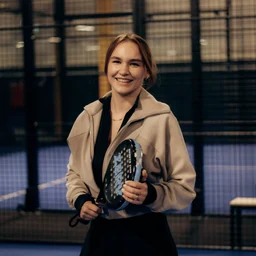
Two questions dominate junior padel racket shopping: HEAD or Babolat? And how do you tell them apart beyond the colourway?
Both brands make genuinely good junior padel rackets. But they make different choices in construction, pricing, and design philosophy that matter depending on your child's age, level, and playing style. This comparison cuts through the marketing to give you the practical information you need.
Brand Overview
HEAD is an Austrian brand and one of the oldest and most established names in racket sports globally. Their padel division has grown rapidly alongside the sport, and their junior padel line mirrors their successful adult models — the Radical, Speed, Extreme, and others. HEAD is the largest padel brand by court visibility in Europe and sponsors many top professional players.
Babolat is a French company with even deeper roots in racket sports (they've been making racket strings since 1875). Their padel line is newer than their tennis line but has developed quickly, with a strong junior offering in the three-step Alioth series. Babolat is particularly known for feel and touch in their adult padel rackets, and this translates to some degree into their junior line.
Sizing & Age Ranges
Here are the two brands' actual junior padel ranges, with specs and prices verified at PDHSports in July 2026. Note that junior padel rackets aren't sold in tennis-style inch sizes — each model comes in one size, and you choose by weight and age:
| Model | Price | Weight | Shape | Best for |
|---|---|---|---|---|
| HEAD Monster Kids | £47.99 | 300g / 43cm | Round | First racket, up to ~10 years (often sells out) |
| HEAD Coello Junior 2026 | £76.50 | 310g | Teardrop | Older juniors, Coello fans |
| HEAD Speed Junior 2025 | £76.50 | 320g | Teardrop | Ages 10+, all-court development |
| Babolat Alioth Mini Junior | £59.50 | 290g / 42.5cm | Round | Ages 6–8, lightest Babolat |
| Babolat Alioth Junior | £76.50 | 320g / 45.5cm | Round | Ages 8–10 |
| Babolat Alioth Pro Junior | £103.99 | 330g / 45.5cm | Teardrop, carbon face | Ages 10–12, serious juniors |
Neither brand has a strict upper age limit on their junior ranges — both make adult-entry rackets that bridge the gap for larger or older junior players. If your child's arm reaches the end of the junior range, it's worth considering adult beginner models rather than forcing the junior frame.
For the complete sizing guide by age, including weight recommendations, see our how to choose a junior padel racket guide.
HEAD Junior Padel Lineup
HEAD's junior padel line has three current models: the Monster Kids (300g, 43cm — a shorter, rounder first racket for the youngest players), the Speed Junior (320g teardrop for ages 10+), and the Coello Junior (310g teardrop carrying Arturo Coello's signature line). The naming mirrors HEAD's adult performance rackets, so juniors can grow into the same family.
Construction: Most HEAD junior rackets use a fibreglass frame with EVA foam core. At higher price points (typically the 26" models), you start to see polyethylene (PE) foam — slightly softer, better feel. The hole pattern is authentic and similar to adult models.
Feel: HEAD junior rackets tend to feel solid and slightly stiffer than Babolat equivalents. This gives more power feedback but can feel harsh for beginners. Better for players already developing a consistent swing.
Pros:
- Widest junior range, starting from youngest ages
- Excellent availability in shops and online
- Strong brand recognition — kids often want to play what they see professionals using
- Mini replica collectibles available in the same colorways as junior rackets (great gift tie-in)
Price range: £47.99 (Monster Kids) to £76.50 (Speed Junior / Coello Junior) — verified July 2026.
View HEAD Speed Junior 2025 on PDHSports →
View HEAD Coello Junior 2026 on PDHSports →
View HEAD Monster Kids on PDHSports →
Babolat Junior Padel Lineup
Babolat's junior padel range is the Alioth series, in three steps: the Alioth Mini (290g, 42.5cm, round — ages 6–8), the Alioth Junior (320g, full 45.5cm length, round — ages 8–10), and the Alioth Pro (330g teardrop with a carbon face — ages 10–12). It's a genuinely well-designed ladder: each step adds weight and performance as the child grows.
Construction: Babolat uses EVA foam cores with fibreglass frames throughout most of the junior range. The frame shape tends to be slightly softer in stiffness than HEAD, which gives a more comfortable feel for beginners. The top-of-range Alioth Pro introduces a carbon face for more defined performance characteristics.
Feel: Generally softer and more forgiving than HEAD junior equivalents at the same size. Better for children in early development who are still finding consistency — the forgiving sweet spot reduces arm fatigue from mishits.
Pros:
- More forgiving feel across junior sizes — good for beginners
- Better construction quality at upper price points (£55–£80)
- Strong for control-oriented junior development
- Excellent colour options in junior models
Price range: £59.50 (Alioth Mini) to £103.99 (Alioth Pro) — verified July 2026.
View Babolat Alioth Junior on PDHSports →
View Babolat Alioth Pro Junior on PDHSports →
View Babolat Alioth Mini (youngest juniors) on PDHSports →
Head-to-Head Comparison
| Category | HEAD | Babolat |
|---|---|---|
| Range | 3 models incl. a true kids' racket Edge | 3 models, 6–12 years |
| Frame Feel | Stiffer, more power | Softer, more forgiving Edge |
| Entry Price | £47.99 Edge | £59.50 |
| Upper Junior Quality | Good | Excellent Edge |
| Availability | Excellent Edge | Good |
| Brand Recognition | Very High Edge | High |
| Beginner Suitability | Good | Very Good Edge |
| Collectible Range | Excellent Edge | Good |
The Verdict
Who should choose HEAD?
Head is the better choice for: players aged 3–7 starting out (widest youngest range, most affordable entry), families who want the full ecosystem (junior racket + mini replica + accessories all in HEAD colorway), and intermediate-to-advanced junior players who want a stiffer, more powerful frame to work with.
Check price: HEAD Speed Junior → HEAD Coello Junior 2026 → HEAD Monster Kids →
Who should choose Babolat?
Babolat is the better choice for: beginners who need a forgiving, comfortable frame (the softer feel reduces arm fatigue from mishits), players aged 8–14 who are taking coaching seriously and want a more refined racket at the upper junior price point, and control-style players who prefer touch over power.
Check price: Babolat Alioth Junior → Babolat Alioth Pro Junior → Babolat Alioth Mini →
What About Bullpadel, Wilson, and NOX?
HEAD and Babolat are the most widely available junior padel brands, but they're not the only good options. Bullpadel makes excellent junior rackets — particularly popular in Spain and Portugal — with a slightly wider sweet spot than either HEAD or Babolat. Wilson's junior padel range is smaller but well-made. NOX (a Spanish brand) has a strong junior following in the Spanish market and is gaining international availability. Browse the full junior padel racket range at PDHSports.
If your child's club or coach plays a specific brand, matching it can create useful consistency in terms of feel, grip size compatibility, and equipment familiarity.
Complete Junior Racket Sizing Guide
Before you buy, make sure you've got the right size. Our guide covers every age from 3 to 12 with exact size and weight recommendations.
See the Sizing Guide →Frequently Asked Questions
Is HEAD or Babolat better for junior padel rackets?
Both brands make excellent junior padel rackets. HEAD has a wider range starting from younger ages and better overall availability. Babolat produces more refined rackets at upper junior price points and has a more forgiving feel for beginners. For most beginners and intermediate juniors, HEAD's broader availability makes it a slightly safer first choice; serious junior players aged 8–14 may prefer Babolat's upper junior quality.
What is the best HEAD junior padel racket?
The HEAD Speed Junior is widely recommended for ages 7–12 — an all-court-oriented racket with good sweet spot and solid feel. The HEAD Coello Junior 2026 is the newest addition to the junior lineup and a strong option for older juniors. Note that unlike junior tennis rackets, each model comes in a single size — you choose by weight and age.
What is the best Babolat junior padel racket?
The Babolat Alioth Junior is Babolat's main junior offering — a round-shape racket with a large sweet spot for easy playability at 320g. The Babolat Alioth Mini is lighter and better suited to the youngest players. Both use EVA foam cores and fibreglass frames with good quality construction for the price. For the most serious junior players, the Babolat Alioth Pro Junior adds more refined performance characteristics.
Last updated: July 2026. All prices, weights, and availability verified at PDHSports in July 2026. Model availability may vary by region.