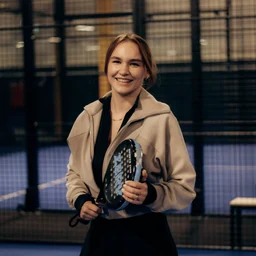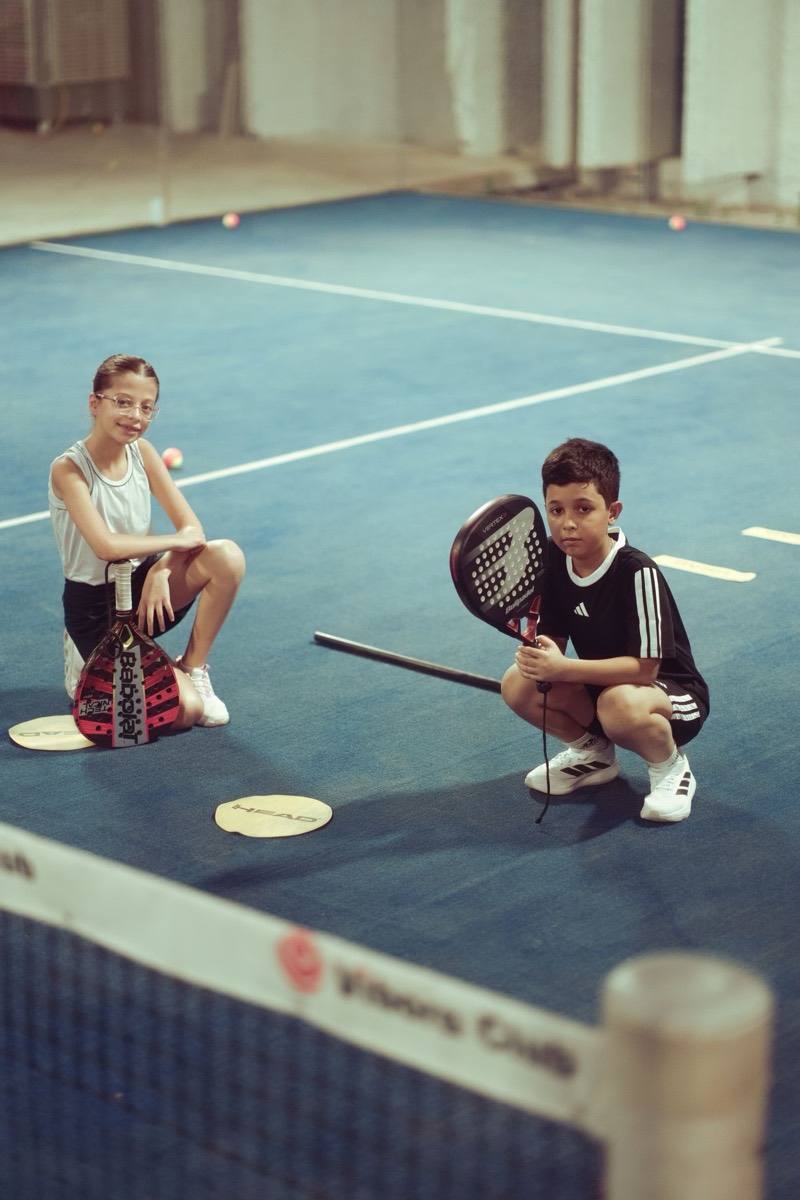
Every padel parent knows the moment: you get your child on a court, they hit the ball once, miss three times in a row, and start looking longingly at their phone. The session falls apart in ten minutes.
The answer isn't more repetitions of the same drill. It's better drills — ones that feel like games, have clear objectives, build in small wins, and match the child's actual age and coordination level.
These 10 drills are built around that principle. Each one is genuinely fun, teaches a real padel skill, and has been organised by age group so you're not throwing a 5-year-old at an exercise designed for a competitive 11-year-old.
What Makes a Good Kids' Padel Drill
Before jumping into the drills, it's worth understanding what separates something that works from something that kills the session:
- Competition with themselves, not others. Young children respond better to personal targets ("can you do 5 in a row?") than head-to-head competition, which can demoralise quickly.
- Short bursts. Five minutes on one drill, then switch. Ten minutes is the maximum before boredom sets in for under-8s.
- Built-in success. The drill should be achievable at the child's level. Failing every attempt teaches nothing except frustration.
- Movement built in. Kids want to run. Static drills lose them fast. Even simple drills should involve moving to the ball rather than standing and waiting.
- Clear rules they understand immediately. No multi-step explanations. One sentence, show it once, then let them try.
Ages 3–6: Introduction Drills
Focus on ball familiarity, basic hand-eye coordination, and fun over technique.
Balloon Bounce
What it teaches: Basic racket-ball connection, patience, eye-tracking.
How to do it: Give each child a short-handled racket (or even a table tennis paddle if they're tiny) and a balloon. The goal is to keep the balloon in the air using the racket face — no hands. Count bounces together. Five is a win. Ten is spectacular. Keep counting aloud to build excitement.
Why it works: Balloons move slowly, which gives very young children enough reaction time to make contact. Every hit is a success. The drill builds confidence before real balls enter the picture.
Target Drop
What it teaches: Basic aiming, racket control, grip.
How to do it: Place hoops, chalk circles, or towels on the court as targets. Stand 2–3 metres from the target, drop the ball, and try to hit it into the circle on the bounce. Give each child 5 tries, then move the target. Award points for hitting it, double points for inside the centre.
Why it works: Introduces direction and aiming without the complexity of a moving ball or a moving child. The target gives a clear objective and immediate feedback. Add a silly prize for whoever scores highest to add stakes.
Wall Tap Rally
What it teaches: Using the walls, basic rallying, positioning.
How to do it: Stand with the child facing the glass back wall. Gently feed a low-compression ball against the wall and have them hit the return — also against the wall if possible. Count consecutive wall contacts. No pressure to hit back to each other yet — just wall, racket, wall.
Why it works: Introduces the back wall as an ally rather than a boundary — which is one of the things that makes padel unique. Kids who learn to use the wall early develop much better court awareness than those who learn conventional tennis first.
Ages 6–9: Development Drills
Building real padel skills through games. Still fun, but introducing more structure.
Feed-and-Catch Groundstroke Lines
What it teaches: Forehand/backhand groundstrokes, footwork to the ball, recovery position.
How to do it: Children line up at the service line. Adult feeds a ball to alternate sides — forehand, then backhand. Child hits the ball to a target zone across the net, then runs back to the line. Keep the pace high enough that there's no standing around waiting. 5 forehands, 5 backhands per turn.
Why it works: The queue format keeps energy high and gives each child a short active burst rather than a long turn with long waits. The alternating sides develop both wings without over-practising one.
Mini Court Rally Competition
What it teaches: Consistent rallying, court awareness, patience.
How to do it: Set up a mini court using the service boxes only. Play with low-compression balls, no walls. First to 7 points, standard padel scoring. The reduced court size means more balls stay in play, rallies last longer, and children experience the satisfaction of proper points without the frustration of balls going constantly out.
Why it works: Mini-court formats are used in professional junior academies across Spain and Portugal for exactly this reason — they build rallying confidence before introducing full-court complexity. The shorter format also means quick turnover and everyone gets plenty of game time.
Lob and Smash
What it teaches: The lob (defensive padel shot), smash, net positioning.
How to do it: One child stands at the net, the other at the baseline. The baseline player tries to lob over the net player's head; the net player tries to smash it. Rotate every five attempts. Award a point for a successful smash; award a point for a lob that lands inside the court. First to 10 wins.
Why it works: Introduces two of the most padel-specific shots in an immediately competitive format. Kids love smashing, which gives them the motivation to work through the technical parts. The lob element is harder but the reward (beating the net player) is clear.
Ages 9–12: Junior Competition Drills
More competitive formats, longer rallies, tactical elements.
Cross-Court Consistency
What it teaches: Directional control, cross-court shot, rally consistency.
How to do it: Two players rally cross-court only — forehand cross for three minutes, then backhand cross. Count total rallies without errors. The target is to beat the previous record each round. No points for winners — this is a collaboration, not competition. Both players lose if the rally breaks down.
Why it works: Cross-court rally drills are standard in professional padel warm-ups for a reason. They build consistency, direction control, and rally endurance simultaneously. The collaborative scoring means children help each other rather than trying to win the point.
King of the Court
What it teaches: Match play, competitive pressure, rotation.
How to do it: Two players on each side play points to 3. Winners stay on; losers rotate to the back of the queue. First player to win 5 "reigns" (sets of 3 consecutive points) is King of the Court. The pressure of keeping a winning position while queue players are watching is genuinely exciting for this age group.
Why it works: The format gives every player frequent active time, creates real competitive stakes, and teaches how to handle pressure — staying calm when ahead, staying focused when waiting. It's also easy to run with mixed ability levels because even younger players get chances against tired "kings."
Wall Rebound Timing
What it teaches: Reading wall rebounds, timing, controlled volleys.
How to do it: Solo drill. Stand 2 metres from the back glass wall. Hit the ball firmly into the wall and play the rebound continuously without letting it bounce twice. Count consecutive contacts. This sounds simple but is harder than it looks — the wall angle changes the rebound direction unpredictably. Set target counts (10, then 15, then 20) to progress.
Why it works: Wall reading is one of the defining skills in padel and takes a long time to develop. This solo drill gives repetitions in isolation without the pressure of a rally. Players who practise this regularly develop noticeably better court coverage and wall anticipation.
3-Ball Attack Drill
What it teaches: Offensive sequence play, net approach, smash under pressure.
How to do it: Adult feeder at the baseline. Attacking pair at mid-court. Feeder plays three consecutive balls in a pattern: one low to the forehand, one high (lob simulation), one short. The pair must play the first two as a set-up and win the point on the third. Rotate after every three-ball sequence. Add scoring (1 point per winner) to add competitive edge.
Why it works: Teaches junior players to think in sequences rather than individual shots — which is how padel is actually played at higher levels. The three-ball format builds short tactical awareness and finishing instinct.
How to Structure a Training Session
A good kids' padel session isn't just a list of drills run back-to-back. Structure matters — especially attention span management.
For under-6s (20–30 min): 5 min warm-up movement, 10 min one or two simple drills, 10 min free play with low-compression balls. No scoring, no pressure.
For ages 6–9 (40–50 min): 5 min jog and ball handling, 15 min two development drills, 10 min mini-court game, 10 min free play. Keep the competitive element for the middle block, free play at the end as reward.
For ages 9–12 (60–75 min): 10 min warm-up including cross-court rallying, 20 min two or three drills, 20 min King of the Court or mini-tournament, 10 min cool-down and ball collection.
Ready to get the right equipment sorted before the drills start? See our junior padel racket sizing guide for exact size recommendations by age, and our best padel shoes for kids guide for footwear. For junior rackets, the HEAD Speed Junior, Babolat Alioth Junior, and Bullpadel Vertex Junior are all solid options at PDHSports. For training cones and court markers, a standard set of sports cones from any sports retailer works fine — there's no padel-specific version needed. Looking for coaching? Our kids padel coaching guide covers costs, finding a coach, and what to expect from sessions.
Getting a Kid Started in Padel?
Make sure they've got the right racket for their age. Our junior sizing guide covers every age from 3 to 12 with exact recommendations.
Junior Racket Guide →Frequently Asked Questions
What is the best way to teach padel to kids?
Through games and drills that feel like play rather than formal training. Start with foam balls and short rallies, introduce competition gradually, and keep sessions short. Focus on fun over technique early on — good technique follows when kids are hitting regularly and enjoying themselves.
At what age can kids start padel drills?
Children as young as 3 to 4 can start simple padel-style activities using foam balls. Structured drills with proper padel equipment work well from about age 5 or 6. By 8 or 9, most children can participate in adapted adult-style drills. See our full guide on what age kids can start playing padel for more detail.
How long should a padel training session be for kids?
Under 6: 20–30 minutes. Ages 6–9: 30–45 minutes with breaks. Ages 10+: 60–90 minutes when the session is varied. Keep rotating activities every 10–15 minutes to maintain attention and enthusiasm.
Last updated: June 2026.