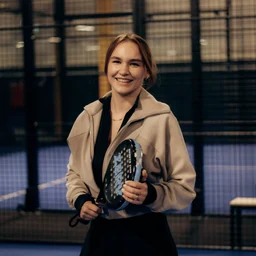
Soft play is fine. Bowling is fine. But kids who play padel — or whose parents do — deserve something better than fine. A padel birthday party is active, exciting, genuinely different from anything their friends have done, and far easier to pull off than you'd think.
This guide covers everything: the activities that actually work for each age group, how to make the venue look great, what to feed them, and the party favors that'll get them talking. Plus a realistic budget breakdown so there are no nasty surprises.
Why a Padel Party Works
Padel is one of the few sports where kids can have genuine fun within about ten minutes of picking up a racket. The glass walls keep the ball in play, the court is smaller than tennis, and the scoring is forgiving. Total beginners can rally. That means a room full of kids with mixed experience all gets to participate — nobody's standing at the back feeling left out.
It's also genuinely different. Most kids haven't been to a padel party before. That novelty factor is worth a lot — parents notice it, kids remember it, and the birthday child gets a day that feels genuinely theirs rather than another cookie-cutter afternoon.
Padel clubs are used to running kids' sessions and often have junior coaches available. Most will happily adapt a coaching session into a structured party format. You're not starting from scratch — you're working with a venue that already does this.
Planning by Age Group
The format changes a lot depending on who you're planning for. Here's what actually works at each stage. Not sure if your child is ready for padel? Check out our guide on what age kids can start playing padel.
Keep It Simple and Silly
At this age, the goal is movement, fun, and no meltdowns. Forget proper rallying — think mini stations where kids can hit, throw, and explore. A coach who's good with young children is worth double the rate at this age.
- Use foam balls or low-compression orange/red balls rather than full padel balls
- Mini-rallies across a low net, two kids against each other — keep it cooperative, not competitive
- Ball-bouncing contests on the racket face (how many without dropping?)
- Short relay races with a ball balanced on the racket
- Keep activities to 10-15 minute blocks before switching things up
- Plan for one adult helper per 3-4 children minimum
Mini Tournaments and Team Games
This is the sweet spot for a padel party. Kids at this age can sustain actual rallies, understand basic scoring, and are competitive enough to care about results without being bad losers about it (mostly). A structured format with a proper finale lands really well.
- Split into teams of 2-3 for a round-robin mini tournament
- Keep matches short: first to 7 points wins, rotate after each game
- A dedicated "skills challenge" station runs alongside matches (target practice, speed serving)
- A proper prize ceremony at the end with a small trophy or medal for everyone
- Allow a free-play period at the end — kids love just hitting without rules
Real Matches with Real Stakes
Older kids want to be treated as proper players, not participants in a children's activity. The format can be near-adult: proper doubles matches, real scoring, a knockout bracket up on a board they can all see. A good junior coach can get competitive but keep it fun.
- Proper doubles format: first to 4 games, tiebreak at 3-3
- A draw bracket displayed on a whiteboard in the club so everyone can track progress
- Coaching tips woven in during changeovers rather than stopping play
- A "challenge match" at the end: birthday child and a friend vs. the coach
- Photo opportunity with the finalists and a small trophy
- For mixed-experience groups: seed the draw based on ability, not age
Games to Run on the Day
A handful of structured activities that work alongside or instead of match play — especially useful when skill levels vary a lot.
Target Practice
Lay a few coloured hoops or draw chalk targets at the back of the court. Each child gets five shots to hit as many targets as possible. Adjust difficulty by moving them closer or farther. Simple, competitive, and works for every age. Works brilliantly as a filler activity while teams rotate.
Longest Rally Contest
Pairs compete to hit the most consecutive shots without the ball hitting the floor more than once. Get the rest of the kids counting out loud. The energy in the room when a pair gets into double figures is genuinely great. Run a final between the top two pairs.
Padel Penalty Shootout
Set up a target or small goal at one end. Each child gets three attempts to hit it — goalkeeper optional (a brave parent volunteer works perfectly). Score it like a proper tournament, tiebreak if needed. Works especially well as a finale after the main activities wind down.
Trick Shot Challenge
For the 11-14 age group: a coach demonstrates a handful of trick shots (lob off the back glass, around-the-post attempt, etc.) and kids try to replicate them. No scoring, just laughing. This one gets the best videos if parents are watching.
Food and Decorations
The padel theme carries further than you'd think without spending a fortune.
Food
Active kids are hungry kids. Time the food for just after the main session ends — they'll be ready for it. Finger food and easy-grab snacks work best: nobody wants to wrestle with cutlery after an hour of running around.
- The classic spread: mini sandwiches, fruit skewers, crisps, vegetable sticks with hummus
- Padel twist: serve yellow melon balls alongside green grapes — tennis/padel color scheme on every plate
- Birthday cake idea: a white round cake decorated to look like a padel court, or a sheet cake with a racket piped on top — any decent local baker can do this from a photo
- Drinks: keep it simple — water, juice, and maybe a lemonade for the "post-match" vibe
- For teens: pizza boxes left open on a table work better than a formal spread
Decorations
You don't need much to pull off the padel theme. The court itself does most of the heavy lifting visually.
- Green and yellow balloons — padel ball colors, and instantly recognisable
- A banner: "Happy Birthday [Name] — Future Padel Pro" printed online for a few pounds
- Mini racket keyrings tied to a string of balloons at the food table — doubles as decorations and party favors
- A "player of the day" trophy or framed certificate made up in advance — fill in the name on the day
- Print a simple bracket on A3 paper and stick it up near the court so kids can see the tournament progress
Party Favor Ideas
The part every kid checks before they've even left the building. These are the options that actually get kept.
The golden rule with party favors: if it's something a child will genuinely use or display, it's worth spending a little more. If it's going straight in a drawer, save the money.
Mini Padel Racket Keyrings (The Star Favor)
These are the standout padel party favor option, and for good reason. Mini padel racket keyrings — typically around 8-10cm — are detailed, recognisable, durable, and cost around £5-10 each. HEAD makes official versions of their pro rackets: Radical, Speed, Extreme. Kids who play padel will immediately recognise them. Kids who don't will still think they're cool. Browse HEAD keyrings at PDHSports →
They clip onto school bags, pencil cases, and jacket zips, which means they end up being seen every day rather than disappearing into a toy box. That's the party favor dream: something that keeps advertising your child's brilliant party for months afterward.
Small Replica Rackets
If the budget stretches a bit further, a small replica racket at around 20cm makes a bigger impression as a take-home. They're display pieces rather than toys, but kids tend to put them up on their desk or bedroom shelf. A set of four keyrings and a couple of replica rackets as "winner" prizes for the tournament finalists is a combination that works really well.
Padel Ball + Small Bag Bundle
A small organza or kraft paper bag containing: one padel ball, a mini racket keyring, and a small packet of sweets. Total cost around £6-8 per child, looks thoughtful, and everything in the bag has a use. Add a small printed "thanks for coming" card with the date on it for a nice finishing touch.
Personalised "Player Card"
Print a simple "player certificate" for each guest: their name, the date, and "Competed in [Birthday Child]'s Padel Tournament." Free to create on Canva, print at home or at a local printer, slide into a small envelope. Kids love official-looking paperwork about themselves. Pair it with the keyring for a complete favor.
Looking for the Perfect Mini Racket Favor?
The full guide to mini padel rackets covers every option — from keyrings to replicas — with prices and where to buy.
See the Full Mini Racket GuideVenue Tips
Picking the right club and knowing what to ask for makes the whole day run smoother. If you're still deciding between padel and another sport for the party, our padel vs tennis comparison for kids is worth a quick read first.
Finding the Right Club
Most padel clubs can accommodate a kids' party — but some are much better set up for it than others. Look for clubs that already offer junior coaching sessions. If they run kids' classes, they understand the age group and the coaches will know how to manage a group of excited 9-year-olds rather than just teaching strokes to adults.
Ask specifically: do they have a coach available for the party slot? Is there a separate space for food and cake afterward? Do they have junior-sized rackets to loan? What's the minimum booking? Getting clear answers to these before you book avoids the awkward surprises on the day.
How Many Courts?
One court works for up to 8 kids if you run rotation games. Two courts are much more comfortable for 10-16 kids — it means no one's standing around waiting. For parties bigger than 16, a club coordinator is worth the extra cost to manage the flow.
Timing the Day
A 90-minute court booking plus 30-45 minutes for food is the sweet spot for most age groups. Younger kids (5-7) can be done in 60 minutes of play. Older kids (11-14) will easily fill 2 hours on court and won't want to stop. Book accordingly rather than trying to stretch a short slot.
Outdoor vs. Indoor
If you have a choice: indoor every time for a birthday party. You don't want weather ruining the day, and indoor courts are quieter and easier for parents to watch from the sides. Some clubs have a glass viewing area which is a nice bonus — parents can see everything without being in the way.
Budget Breakdown
What does a padel birthday party actually cost? Here's a realistic breakdown for a party of 10 kids.
| Item | Estimated Cost | Notes |
|---|---|---|
| Court hire (2 courts, 90 min) | £60 – £90 | Varies by location; London tends to be higher |
| Junior coach (90 min) | £45 – £75 | Ask the club directly; some include basic facilitation in court hire |
| Party favors (10 kids) | £50 – £80 | Mini racket keyrings at ~£6-8 each; bump up for replica rackets as prizes |
| Food and drinks | £30 – £60 | Depends heavily on what you make vs. buy |
| Birthday cake | £25 – £60 | Custom padel design from a local baker |
| Decorations (balloons, banner) | £15 – £25 | Green and yellow balloons plus one personalised banner |
| Trophy / medals | £10 – £20 | Optional; goes a long way with competitive age groups |
| Total (10 kids) | £235 – £410 | Bring it down with DIY food and simpler favors; bring it up with premium keepsakes |
That puts the per-head cost at roughly £24-41 for 10 kids — comparable to a soft play or bowling party once you factor in all the hidden costs of those formats, and considerably more memorable.
The biggest lever on cost is the party favors. Mini racket keyrings at the lower end keep the budget comfortable. If you want to send everyone home with a proper mini padel replica, that cost goes up but the impact at handout time is something else entirely.
Frequently Asked Questions
What age is padel suitable for birthday parties?
Padel works well for birthday parties from age 5 upwards. Ages 5-7 do best with mini-court activities and simple rally games rather than full matches. Ages 8-10 can handle structured mini-tournaments. Ages 11-14 can play near-full adult rules and enjoy a proper competitive format. Most padel clubs offer junior coaching that can be adapted as a party activity.
How much does a padel birthday party cost?
For a party of 10 kids, budget roughly £235-410 all-in. Court hire runs around £60-90 for two courts, a junior coach adds £45-75, and party favors (mini racket keyrings are ideal) cost around £50-80 for 10 kids. Food, cake, and decorations account for the rest. Per head, that's £24-41 — competitive with bowling or soft play and far more memorable.
What are good padel party favors for kids?
Mini padel racket keyrings are the standout option — affordable at around £5-10 each, recognisable, and kids actually keep them on their school bags. Small replica rackets (~20cm) make a bigger impression as a "winner" prize. A bundle of keyring + padel ball + sweets bag is a great all-round favor for around £6-8 per child. See the full guide to mini padel rackets for specific recommendations.
Published: June 2026. Prices are estimates and will vary by region and supplier. Always confirm availability with your chosen venue directly.